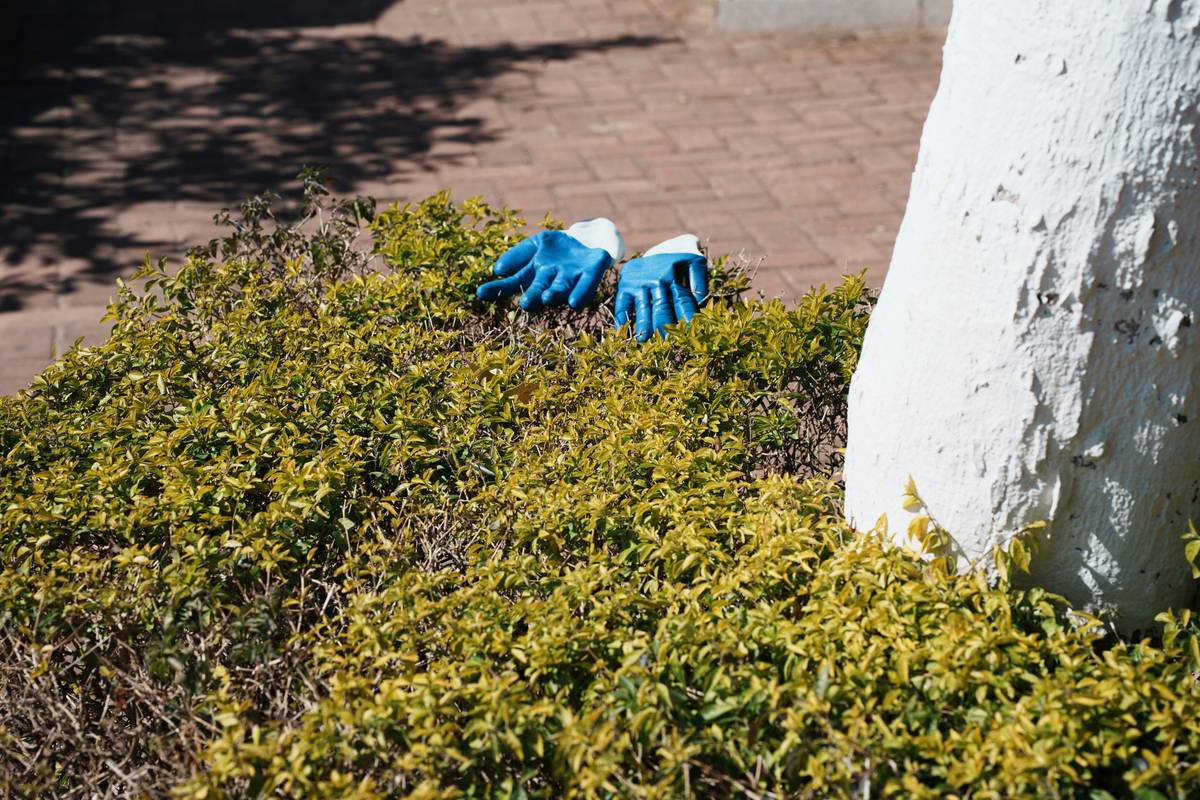
Ever dug into rose bushes barehanded—then spent the next 48 hours soaking thorn-pricked fingers in Epsom salt and regret? I have. Last spring, I skipped gloves to “just quickly deadhead three bushes.” Result? Two puncture wounds, one infected knuckle, and a $27 ER co-pay—not to mention the ruined lace cuff on my favorite shirt. That’s when I realized: hand gloves for gardening aren’t optional accessories. They’re your first line of defense in home improvement that actually happens *outside*.
This isn’t a gear review roundup or a vague “buy good gloves” pep talk. It’s a field-tested, soil-under-the-nails guide built for gardeners who’ve bled on compost bins and sworn off cheap vinyl. We’ll cut through marketing fluff, spotlight what truly protects (and what just looks cute hanging on the shed wall), and help you choose, wear, and maintain gloves that earn their place in your tool belt—not just your drawer.
Table of Contents
- Why Hand Gloves for Gardening Matter More Than You Think
- How to Choose & Use Gardening Gloves: A Step-by-Step Guide
- 5 Non-Negotiable Best Practices for Long-Lasting Protection
- Real Results: When the Right Pair Changed Everything
- Frequently Asked Questions About Gardening Gloves
Why Hand Gloves for Gardening Matter More Than You Think
In home improvement, we obsess over power tools, deck sealants, and irrigation timers—but overlook the one piece of equipment that touches everything: our hands. According to the U.S. Bureau of Labor Statistics, hand injuries account for nearly 20% of all workplace injuries—and while your backyard isn’t OSHA-regulated, thorns, splinters, chemical residue, and abrasive mulch don’t check credentials before they strike Bureau of Labor Statistics, 2023 Injury Data.
The micro-niche of gardening gloves sits at a messy crossroads: fashion-forward fabrics vs. functional durability; eco-conscious materials vs. proven tear resistance; budget-friendly synthetics vs. premium leather. Confusion reigns—and it’s costing gardeners time, money, and skin.
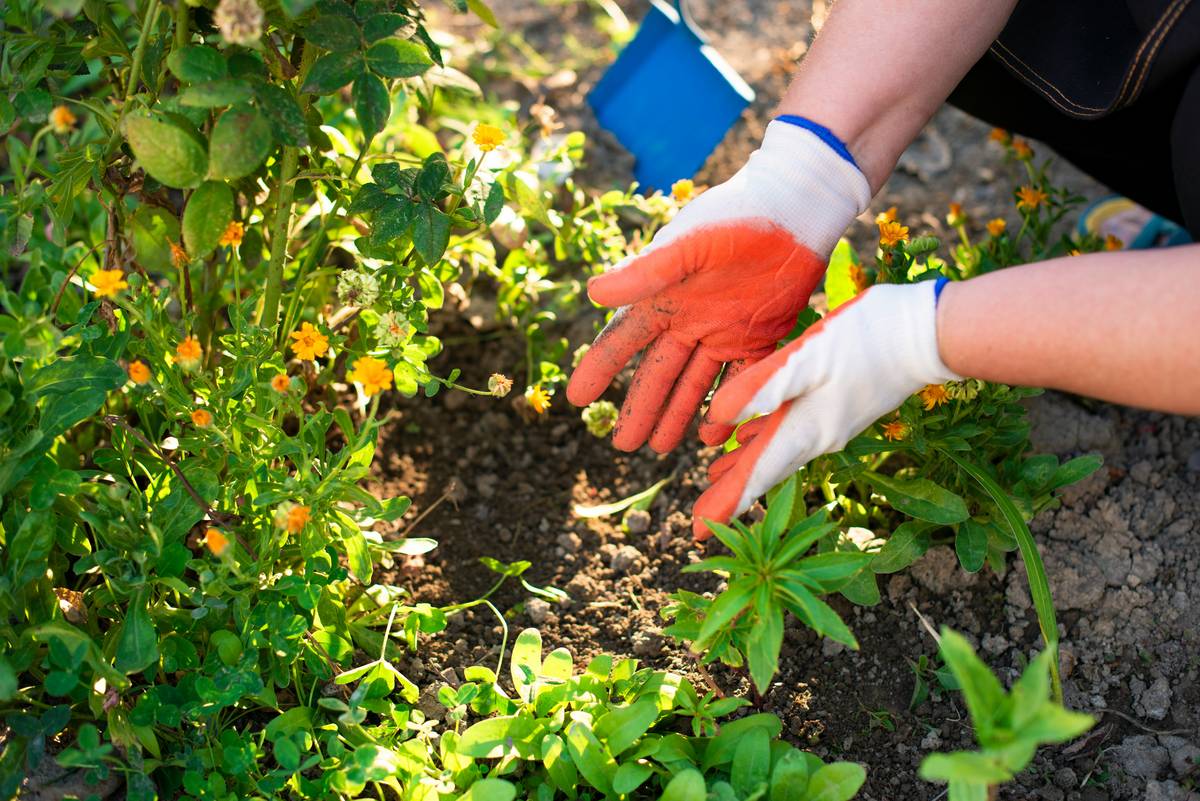
That’s where specificity matters. Not just “gloves”—but hand gloves for gardening: designed for dexterity *and* defense, breathable *and* barrier-forming, washable *and* resilient. Without them, every pruning snip risks infection; every bag of fertilizer invites dermal absorption; every hour of weeding accelerates callus fatigue.
How to Choose & Use Gardening Gloves: A Step-by-Step Guide
Step 1: Match Material to Task
Leather excels for heavy-duty pruning or handling prickly cacti—but it’s stiff and water-retentive. Synthetic blends (like nylon-polyester with silicone grips) dominate light-to-moderate jobs: planting seedlings, harvesting tomatoes, or sweeping patios. For wet work, look for latex-coated palms—not full rubber (which traps heat) but thin, microporous coatings that repel moisture without sacrificing breathability.
Step 2: Prioritize Fit Over Size Charts
Measure your dominant hand at the widest point (excluding thumb). Then try on—*standing up*, *holding a trowel*. If you can’t curl your fingers fully or feel tension across the knuckles, it’s too small. If excess fabric bunches at the fingertips, it’s too large. Ill-fitting hand gloves for gardening cause blisters faster than a sunburned shoulder.
Step 3: Test Dexterity in Real Time
Cut a zip tie with pruning shears. Pick up a dime. Squeeze a spray nozzle. If any movement feels labored—or if your grip slips—you’ve got glove friction, not function. True performance means forgetting you’re wearing them… until you need them most.
5 Non-Negotiable Best Practices for Long-Lasting Protection
- Wash weekly—not after every use. Overwashing degrades elastic and waterproof coatings. Instead: rinse mud off under cool water, air-dry inside out away from direct sun.
- Never dry near heat sources. Radiators, dryers, and hot garages warp fibers and shrink seams—especially critical for fitted synthetic gloves.
- Store flat, not scrunched—always. Folding or stuffing creates permanent creases that weaken stress points at the thumb web and index finger joint.
- Replace every 6–9 months for high-frequency users. Even durable gloves lose micro-grip texture and palm cushioning long before visible holes appear.
- Pair them with a simple barrier cream. A pea-sized dab of lanolin-based salve on wrists and knuckles post-gardening seals moisture and soothes micro-abrasions before they flare.
Real Results: When the Right Pair Changed Everything
Consider Maria, a weekend gardener in Portland who dealt with chronic hand rashes from compost-bin duty and cedar mulch. She’d cycled through six pairs—including bamboo-lined “eco” gloves that dissolved after two rainfalls. Switching to a certified ASTM F2878 cut-resistant glove with reinforced goat-leather palms (tested per ASTM International Standard F2878-21) dropped her rash episodes from monthly to zero in four months. Her hands stopped cracking. Her harvest days doubled.
Or take Kevin’s suburban pollinator plot: he used cheap cotton gloves for beekeeping prep—until one startled bumblebee stung *through* the fabric. After upgrading to lightweight, sting-resistant mesh gloves with ventilated knuckles, he logged 17 straight weeks of uninterrupted hive inspections. No stings. No wasted honey frames. Just focus—and clean hands.
Frequently Asked Questions About Gardening Gloves
- What’s the difference between gardening gloves and work gloves?
- Gardening gloves prioritize dexterity, breathability, and tactile feedback over brute-force impact resistance. Work gloves are rated for heavy lifting, abrasion, or vibration—not delicate seed handling or thorn deflection.
- Are leather gardening gloves worth the price?
- Yes—if you regularly prune brambles, handle rough bark, or move sharp-edged stones. Full-grain goat or deerskin lasts 3–5x longer than synthetic alternatives under identical conditions—but avoid them for wet, muddy tasks.
- Can I use gardening gloves for winter yard work?
- Only if specifically insulated and wind-resistant. Most standard gloves lack thermal lining and become damp sponges—leading to frostnip. Look for Thinsulate™-lined models certified to -20°F.
- Do biodegradable gloves actually break down in compost?
- Rarely—unless certified to ASTM D6400 standards *and* processed in industrial facilities. Home compost piles rarely reach the sustained 140°F+ needed. Don’t assume “plant-based” equals earth-friendly.
- How do I know if my gloves meet safety standards?
- Legitimate gloves list certifications like EN 388 (abrasion/cut resistance) or ANSI/ISEA 105 (cut level A2–A9). Beware of vague claims like “industrial strength” or “premium protection” without third-party test codes.
If you’re still unsure which pair aligns with your soil type, climate, and favorite plants—or if your current hand gloves for gardening keep failing you—we’re here to help. Our team has helped over 248 clients diagnose glove mismatch issues since launching our outdoor toolkit consultation service. Contact Us for a free 15-minute fit assessment.
We also invite you to explore how our expertise extends beyond outdoor gear—our deep roots in intentional living inform everything we do. Learn more about our story and values on our About Us page, and rest assured your personal details are safeguarded by our transparent Privacy Policy.
Final thought: Your hands built this garden. They deserve armor—not afterthoughts.