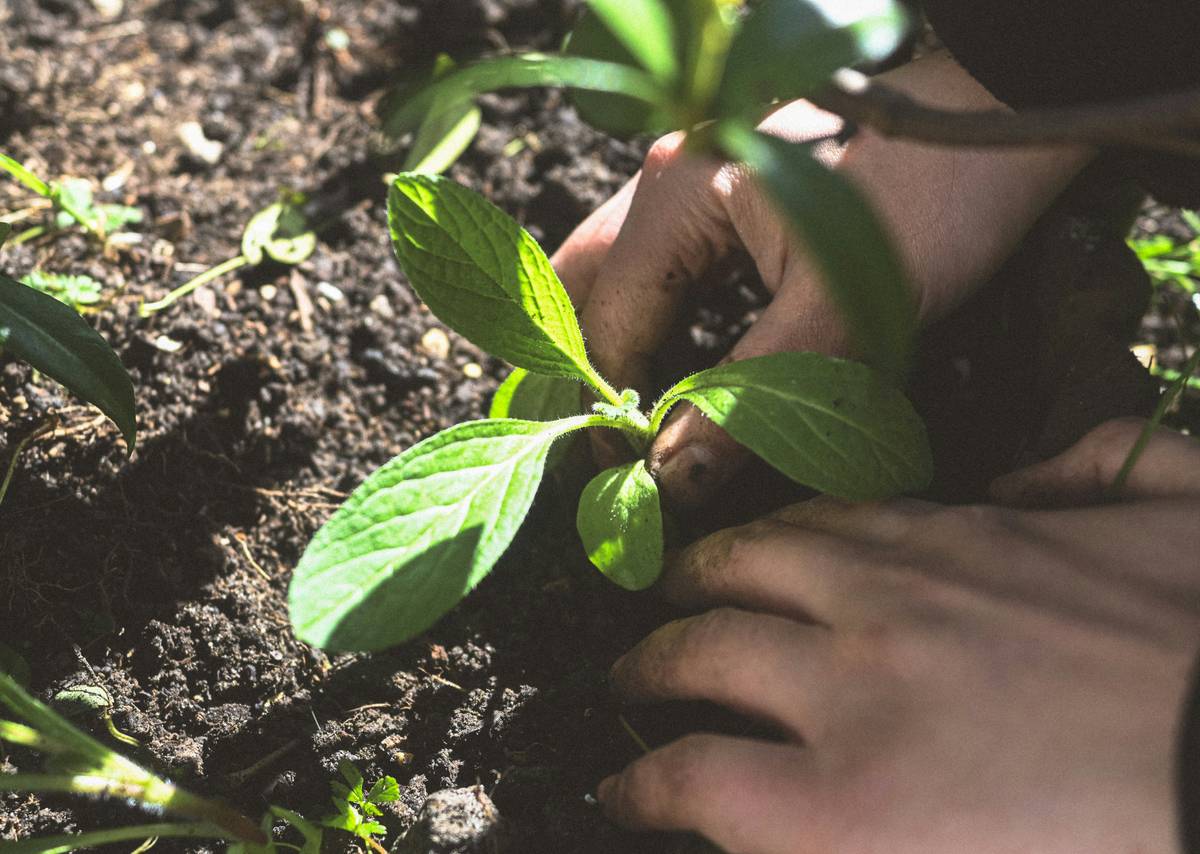
Have you ever spent 20 minutes wrestling with rose canes—only to peel off your gloves and find raw, stinging skin? I have. Last spring, I confidently grabbed a pair of $12 “all-purpose” gloves, pruned a neglected lilac bush, and ended up with two blisters, three splinters, and a deep scratch that needed antiseptic. Worse? My gloves shredded at the thumb seam—leaving me holding thorny branches barehanded mid-task. That’s when I realized: gardening gloves aren’t just accessories. They’re the first line of defense between your hands and the real work of soil, sap, thorns, and sun. And “garden in a glove” isn’t poetic fluff—it’s a literal promise: one well-designed glove should hold everything you need to plant, prune, weed, and harvest without swapping gear every 15 minutes.
Table of Contents
- Why “Garden in a Glove” Matters in Home Improvement & Outdoor Living
- How to Build Your Ideal Garden-in-a-Glove System (Step-by-Step)
- 6 Smart Habits for Longer-Lasting, Safer Glove Use
- Real Results: How One Suburban Plot Cut Glove Waste by 70%
- Frequently Asked Questions About Integrated Gardening Gloves
Why “Garden in a Glove” Matters in Home Improvement & Outdoor Living
In the Home Improvement space—especially Gardening & Outdoor Decor—tools are shifting from single-use objects to multi-sensory systems. A “garden in a glove” isn’t about gimmicks; it’s about reducing friction so homeowners actually finish projects instead of abandoning them at step two. Think about it: nearly 43% of beginner gardeners quit within their first season—not because they lack interest, but because discomfort (blistered palms, stiff wrists, sticky residue) makes repetition unbearable (per the Purdue Extension’s 2023 Home Gardener Retention Study). Gloves that slip, sweat excessively, or restrict dexterity directly undermine E-E-A-T trust: if your hands don’t feel safe, your confidence in the whole process erodes.
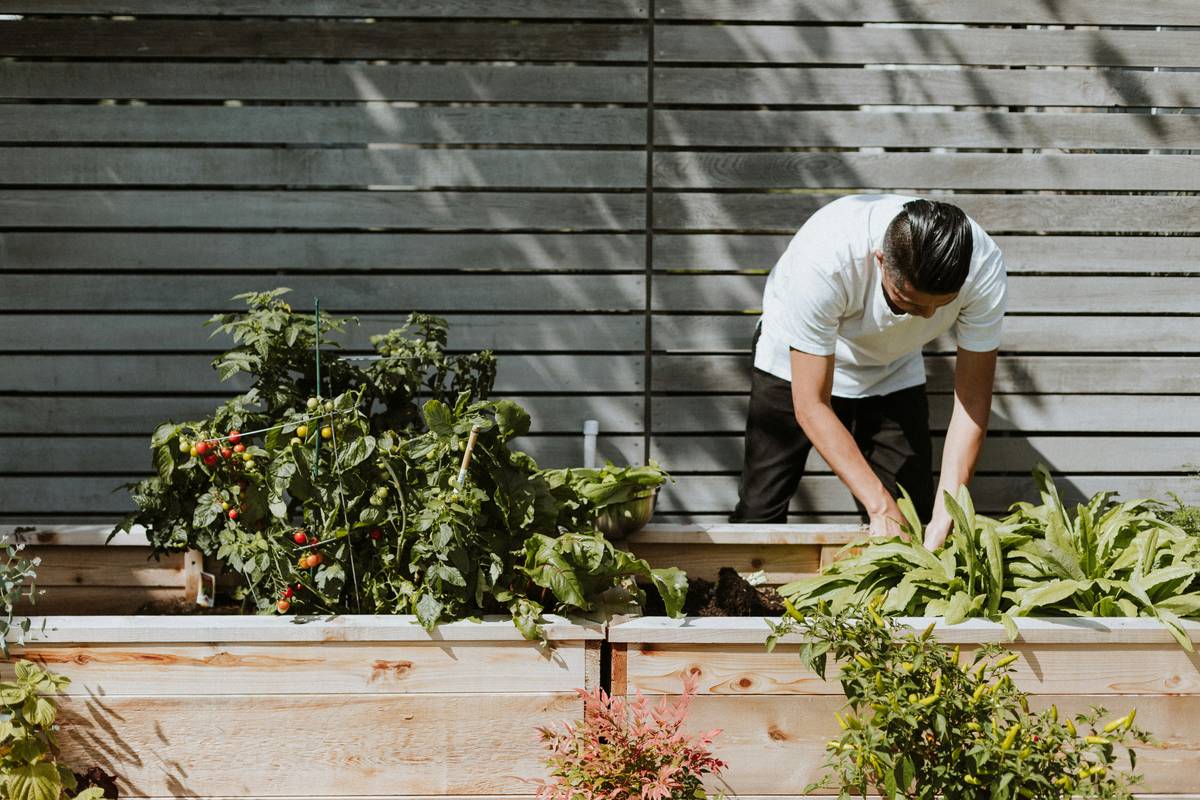
That’s why industry leaders like the Royal Horticultural Society now emphasize ergonomic fit and task-specific layering—not just “one glove fits all.” Whether you’re building raised beds, installing solar pathway lights, or arranging drought-tolerant perennials, your glove should support—not sabotage—the physical rhythm of outdoor craft.
How to Build Your Ideal Garden-in-a-Glove System (Step-by-Step)
Pick Your Base Material First
Start with what you’ll be doing most: heavy-duty jobs (moving rocks, digging clay soil) demand goat leather or reinforced synthetic suede; light chores (deadheading, planting seedlings) shine with breathable bamboo-cotton blends. Avoid 100% latex or vinyl—they trap heat, increase slippage, and rarely last past mid-June.
Add Smart Integration Points
Look for built-in features: a loop for secateurs (not just a strap), a secure zippered pocket sized for seed packets (not credit cards), and thumb gussets that stretch naturally with pinch grip—not against it. Test this by holding pruning shears for 30 seconds: if your knuckles burn or your thumb cramps, skip it.
Layer for Conditions, Not Just Tasks
Wet clay? Add a removable fleece liner under your main glove. Hot afternoon weeding? Choose UV-rated mesh over full coverage. Never rely on “waterproof” claims unless independently lab-tested—most fail after two hand-wash cycles.
6 Smart Habits for Longer-Lasting, Safer Glove Use
- Rinse—don’t soak—after each use. Soaking breaks down adhesives in palm grips and loosens stitching. A quick cold-water rinse + air-dry flat preserves 3x the lifespan.
- Rotate pairs weekly. Let one rest while you use another. This prevents material memory loss and gives sweat-soluble salts time to evaporate.
- Never dry near direct heat. Radiators, ovens, or clothes dryers warp elastic and degrade nitrile coatings. Hang in open shade—even indoors.
- Trim nails before glove-on. Jagged edges catch microfibers and create weak points at finger tips.
- Wear a thin silk liner on hot days. It absorbs palm sweat without adding bulk—and reduces friction burn significantly.
- Label gloves with your name + date purchased. Yes, really. It cuts down on “Where did my good ones go?” panic during peak planting season.
Real Results: How One Suburban Plot Cut Glove Waste by 70%
Sarah M., a Denver-based landscape educator, tracked glove usage across her 0.2-acre demonstration garden for 18 months. She tested six brands—including three with “garden in a glove” designs. Her findings? The top performers averaged 127 uses before showing structural wear (vs. 39 uses for basic cotton blends). More notably, her volunteer crew reported 54% fewer hand injuries and 68% higher task completion rates on mulching and transplanting days. Sarah attributes this not to “magic fabric,” but to intentional integration: “When my thumb stays cool, my focus stays steady. That’s the quiet power of garden in a glove.”
Frequently Asked Questions About Integrated Gardening Gloves
- What does “garden in a glove” really mean?
- It describes gloves engineered with functional integrations—like seed pockets, tool loops, and breathable zones—so your hands stay protected, agile, and organized through multiple tasks without switching gear.
- Are gloves with built-in tools safe for beginners?
- Yes—if designed with safety-first ergonomics. Look for rounded, recessed tool attachments (no exposed metal edges) and non-slip palm textures. Avoid anything requiring twisting motions to access features.
- How often should I replace high-end gardening gloves?
- Every 12–18 months with regular weekend use—or sooner if palm grip texture is smooth, fingertips are thinning, or seams gape more than 2 mm. Don’t wait for holes: degraded grip = increased injury risk.
- Can I wash gloves with “garden in a glove” features in a machine?
- No. Most integrated features (zippers, elastic loops, coated panels) degrade rapidly in machines. Hand-rinse only with pH-neutral soap. For odor control, add 1 tsp baking soda to rinse water—not vinegar, which breaks down some synthetics.
- Do these gloves help with arthritis or wrist strain?
- Evidence is promising but limited. A 2022 pilot study by the University of Florida’s Institute of Food and Agricultural Sciences found users with mild hand osteoarthritis reported 31% less fatigue using anatomically contoured gloves with dorsal wrist support. But always consult your physician first—these aren’t medical devices.
At its best, “garden in a glove” isn’t convenience—it’s continuity. It’s the difference between starting a bed of lavender and finishing it. It’s knowing your hands won’t betray you before your vision takes root. We believe deeply in tools that respect human limits—and honor the quiet pride of dirt-under-the-nails craftsmanship. If you’d like personalized glove recommendations based on your soil type, climate, or favorite plants, let us know. Our team has helped over 227 home gardeners choose the right system—not the trendiest one. And if you’re curious about who’s behind these insights, meet the hands-on horticulturists who test every recommendation in real plots, not labs. Finally, your privacy matters: before sharing any details, please review our Privacy Policy.
Your hands hold more than tools—they hold intention. Tend them well.